…learning through play
Climate Action Plan Policy
We are committed to complying with the DfE requirement to move our early years setting towards net zero by 2050. This means reducing our carbon footprint, embedding sustainability in the curriculum, engaging parents in this aim and working with the local community.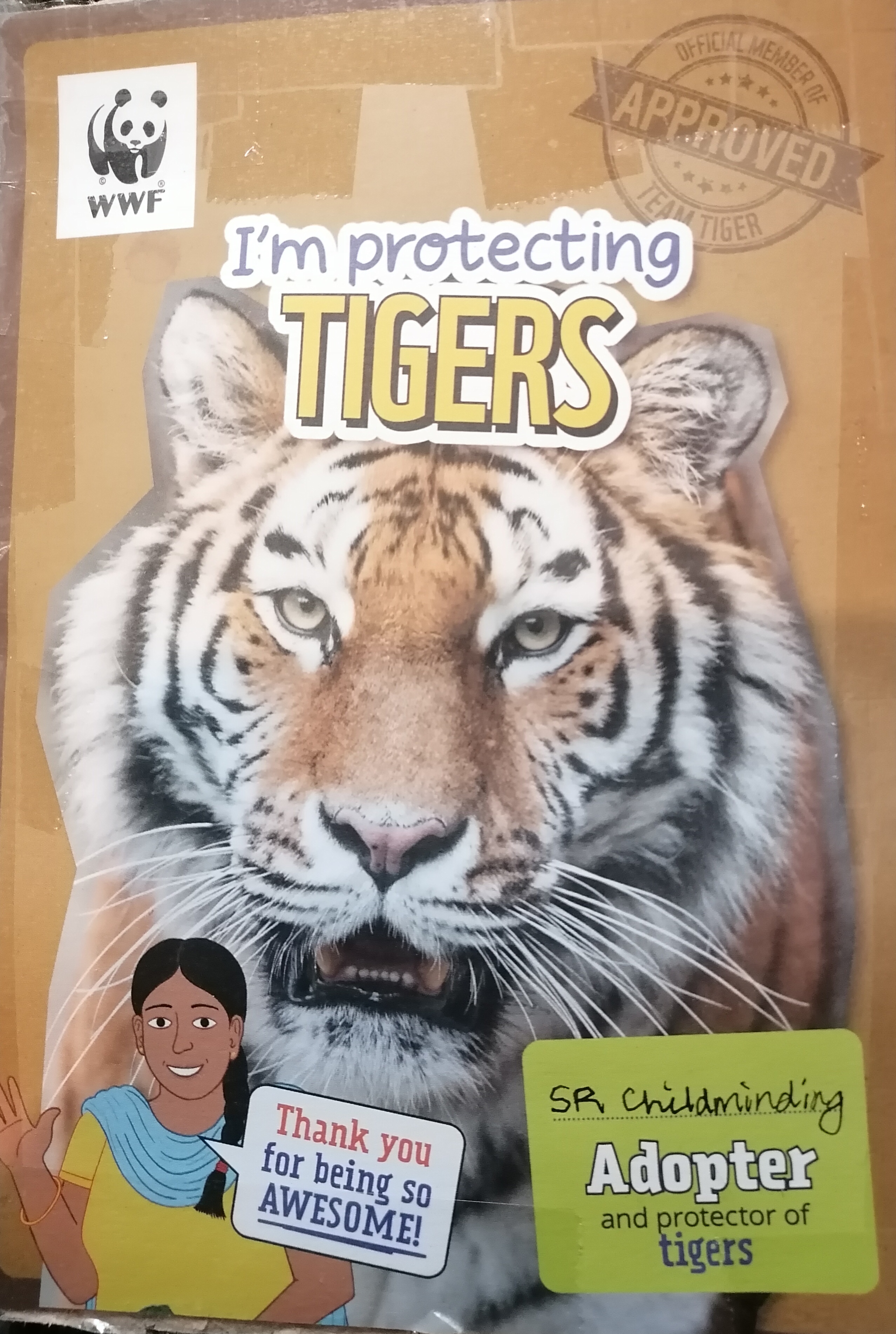
We are working towards the Govt’s sustainability aims by –
- Including elements of the UN Sustainable Development Goals (2015) in our curriculum.
- We use the local Scrap Space for certain recycling and obtaining craft items so there is less items sent to landfill.
- Spending time outside every day, learning about the weather, seasonal changes, planting, growing some vegetables and herbs etc.
- Teaching children how to monitor our carbon footprint in the setting, walking, turning tv and lights off when not required etc.
- Engaging parents in their children’s sustainability curriculum.
- Working with colleagues to support local community projects.
We recognise that we have a bigger role to play in the Govt’s aim to reach net zero by 2050 and –
- We want to further improve our curriculum.
- We want to reduce our carbon footprint even more and we will challenge ourselves to improve our sustainability through a series of audits.
- We want to review how well we share information with parents and improve engagement.
- We are always looking for new projects to get involved in within the local community.
As part of the DfE net zero by 2050 aims the DfE states that early years providers need to write a climate action plan. DfE states that our climate action plan should cover 4 main areas of provision –
- Decarbonisation.
- Adaptation and resilience.
- Biodiversity.
- Climate education and green careers.
Then take each of the 4 main areas of provision and reflect on your commitments, which you can share with parents and come back to, updating them as you review your action plan through the year.
Decarbonisation
We are committed to reducing carbon emissions by, for example –
- Becoming more energy efficient – using LED lightbulbs and turning off lights when we leave the room.
- Turning down heating and wearing socks and jumpers instead.
- Reducing waste and recycling the waste we have made.
- Monitoring and reducing the use of carbon emissions.
- Reducing single use plastic waste and asking parents not to use plastic in lunchboxes.
Adaptation and resilience
We are committed to taking actions to reduce the risk of impact from climate change, for example –
- Teaching children about the world around them.
- Spending time in nature every day.
- Establishing environmentally friendly routines.
- Protecting wildlife in our garden and the local community.
- Managing our water usage and teaching the children to reduce water wastage.
Biodiversity
We are engaging with the National Education Nature Park resources and planning activities with the children to teach them about, for example –
- Recycling and collecting waste to compost in our garden.
- Feeding the birds.
- Growing and releasing butterflies.
- Composting and making a wormery.
- Planting in the garden, using collected seeds and recycled plant pots.
Climate education and green careers
We are committed to our children being educated about climate education and given opportunities that will prepare them for learning more about sustainability and life-long learning, for example –
- Learning more about climate change so we can share the information with the children.
- Including more science, technology, engineering and maths (STEM) learning in our curriculum.
- Planning monthly activities which teach children about nature and the natural world.
- Teaching the children about sustainable environmental strategies.
If you have any concerns regarding this policy please discuss them with me.

 SR Stacey Roberts Childminder / Childminding Shoreham-by-Sea